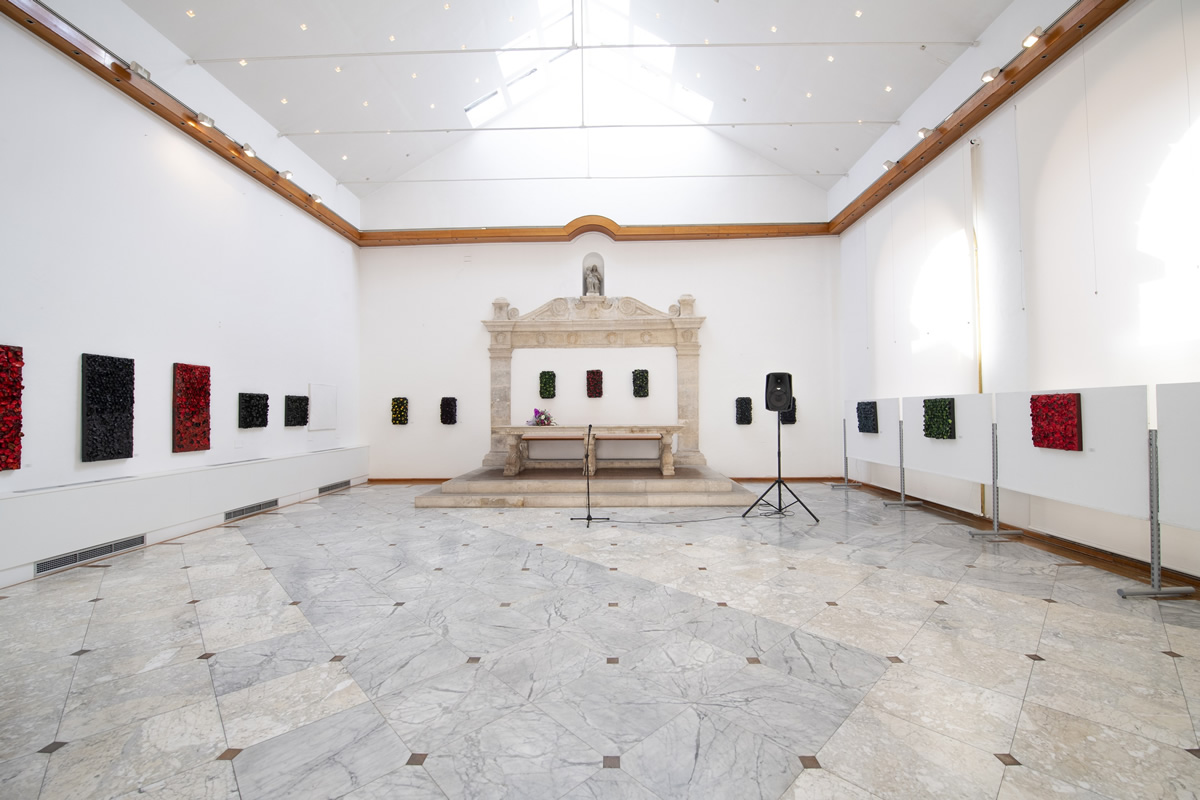
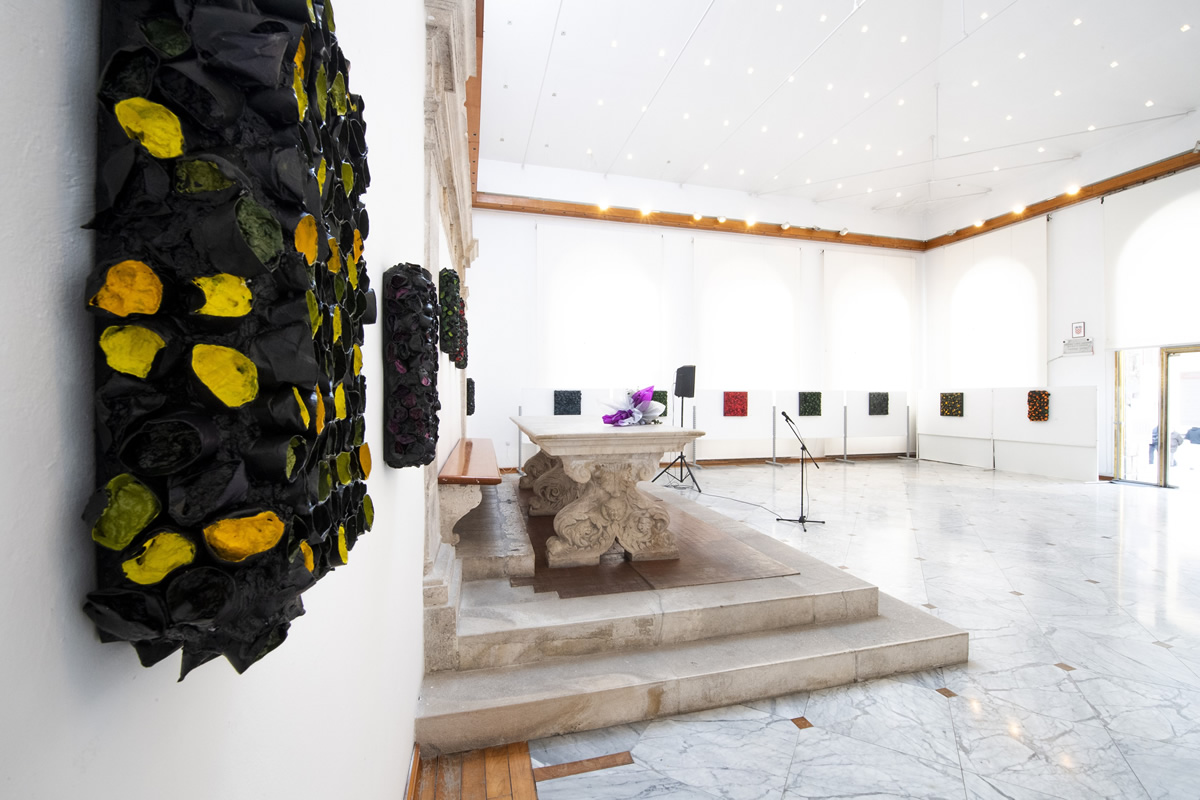
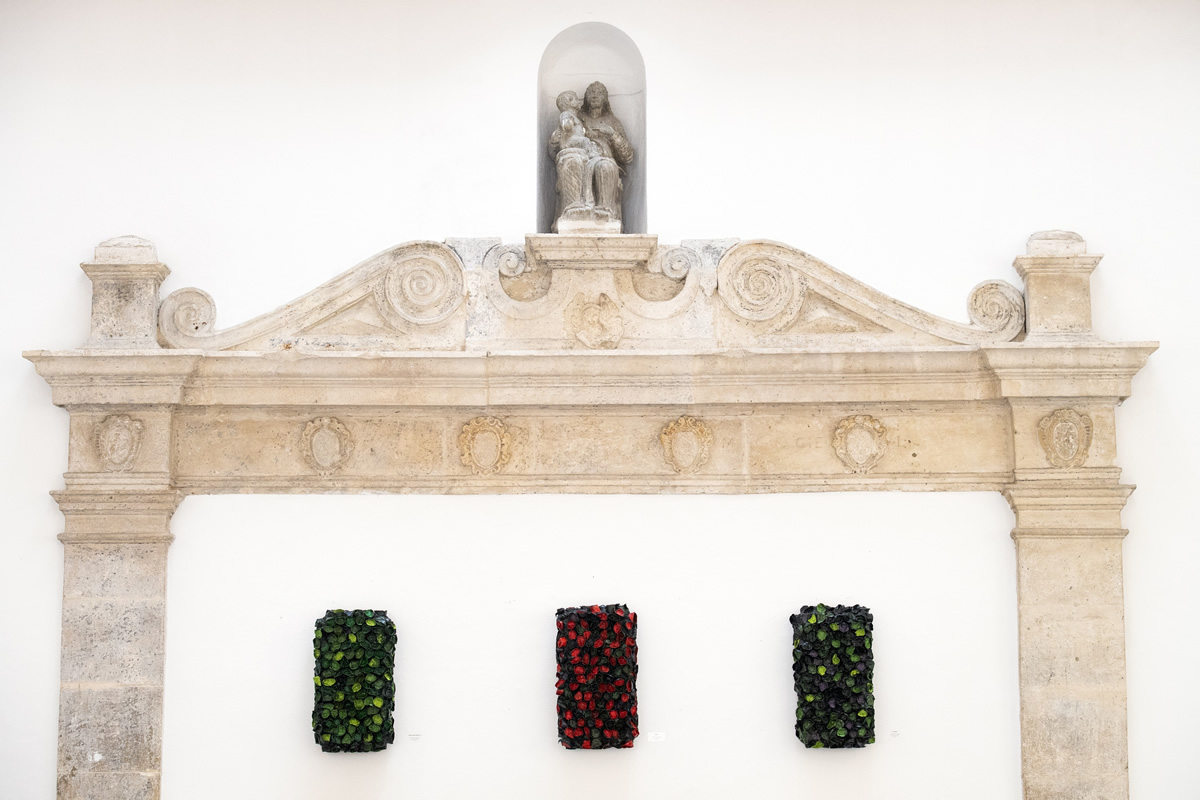
-
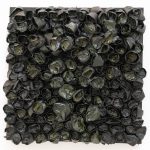
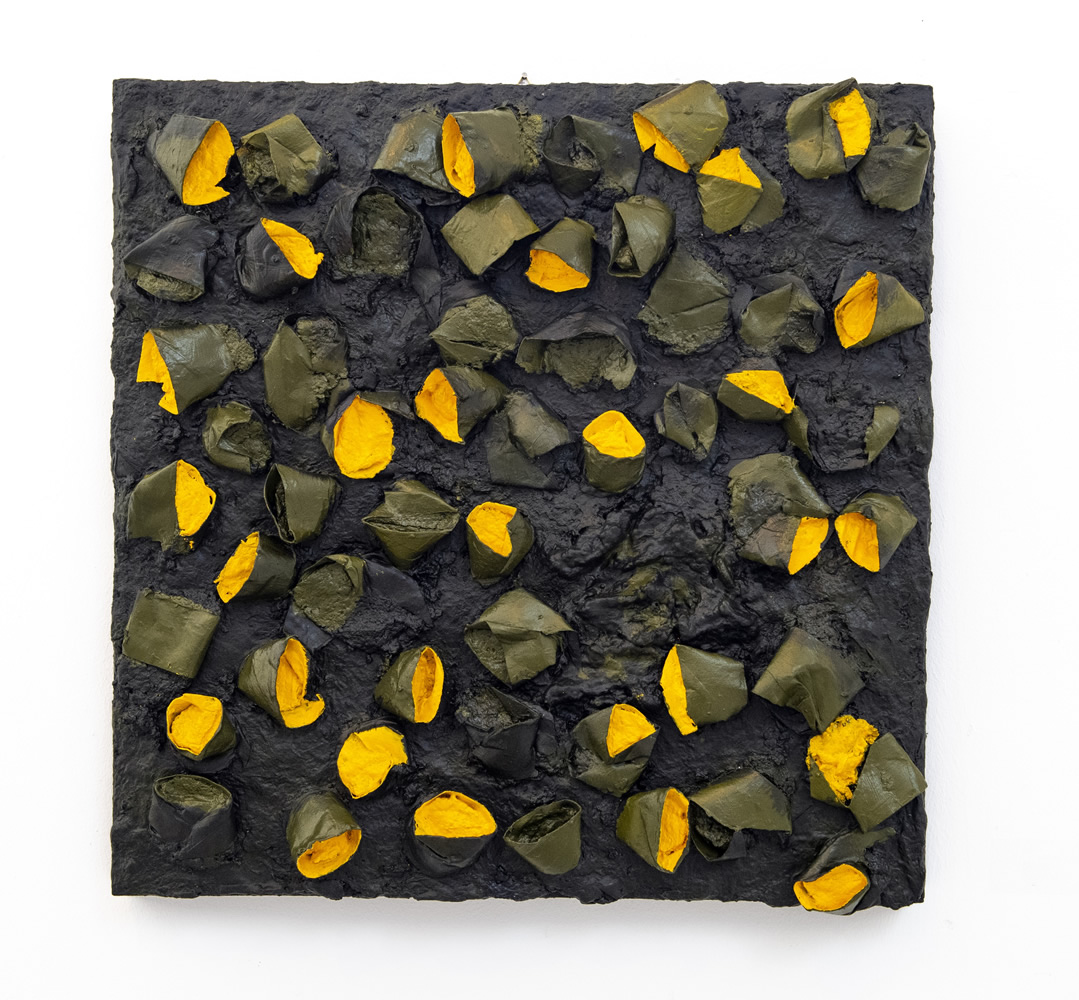
- Burnt soil, 60x60cm, recycling paper and acrylic on wood panel

-
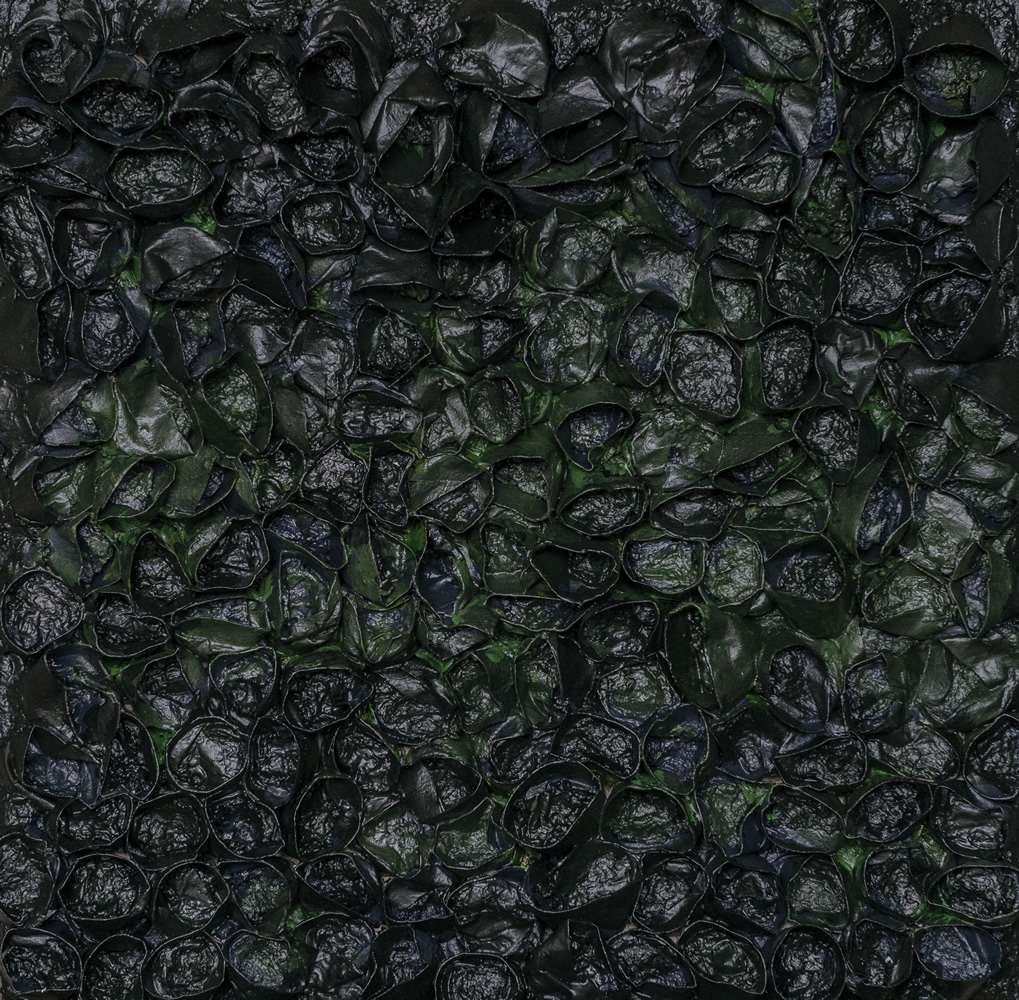
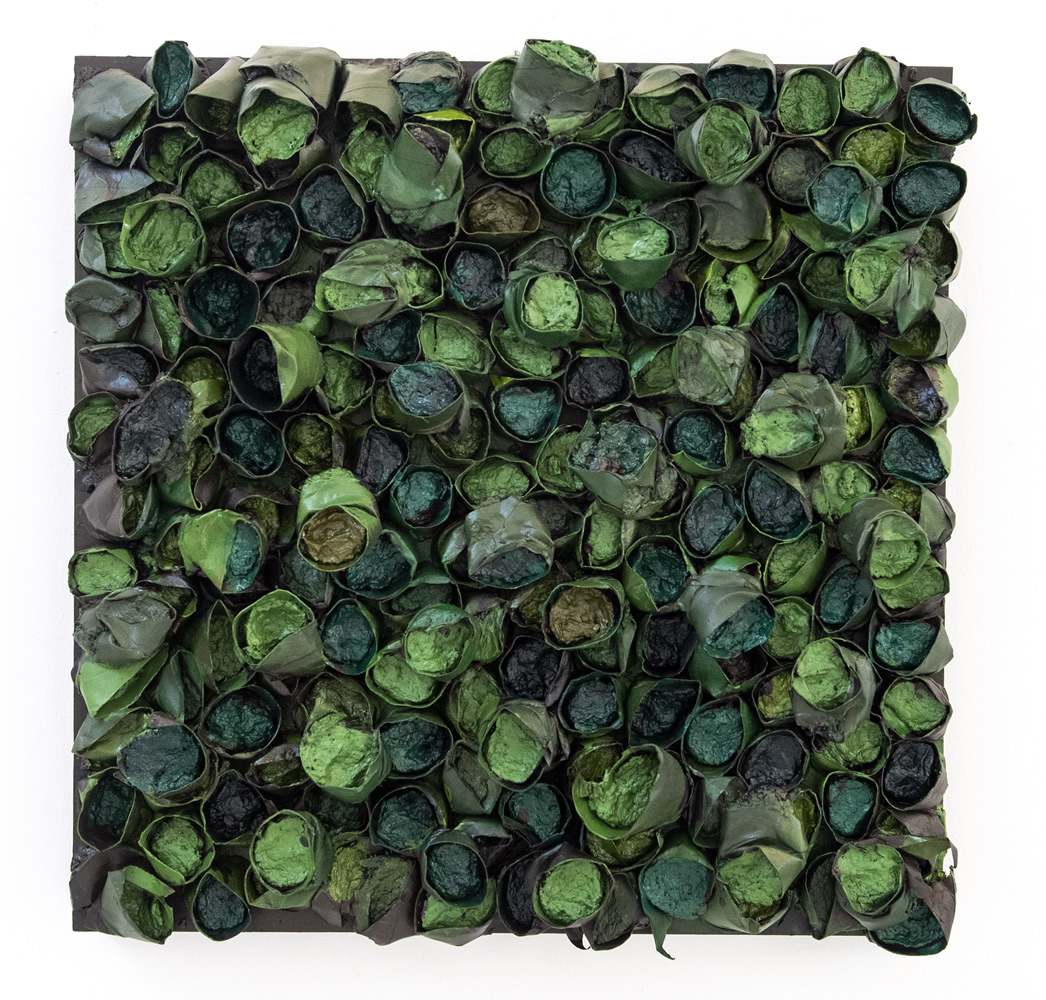
- Burnt green no.1, 60x60cm, recycling paper and acrylic on wood panel
-
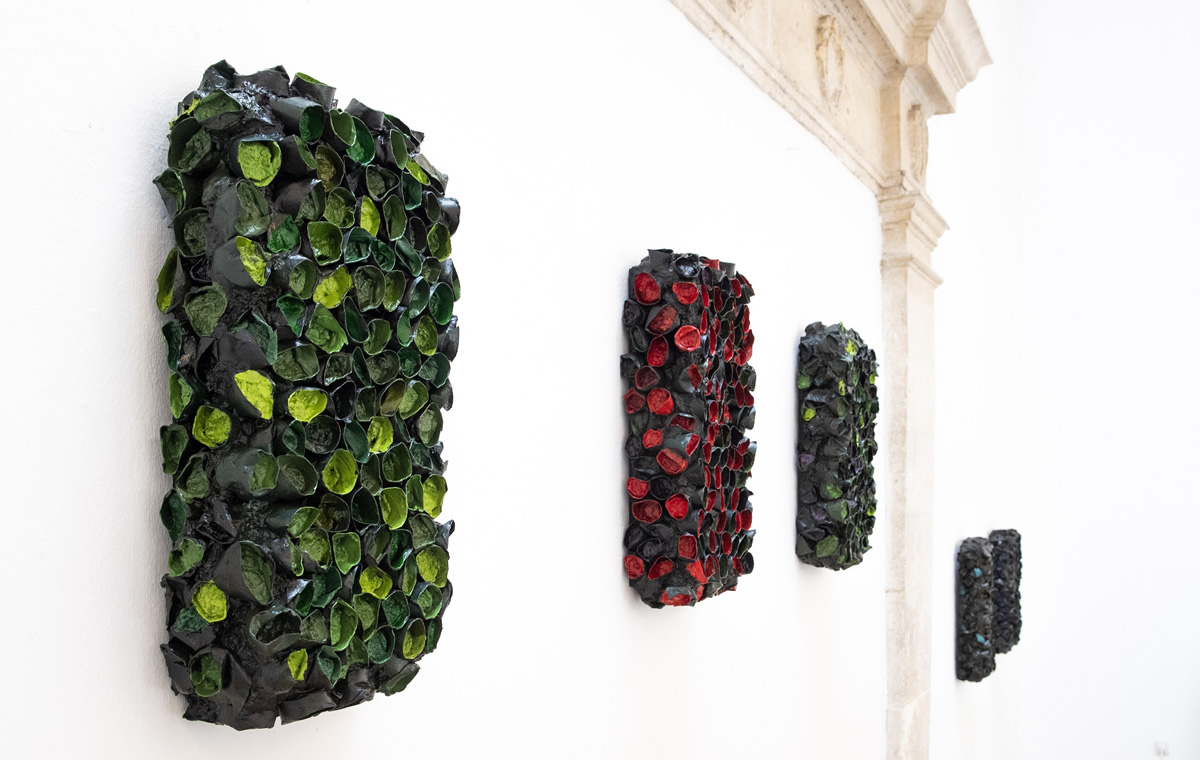
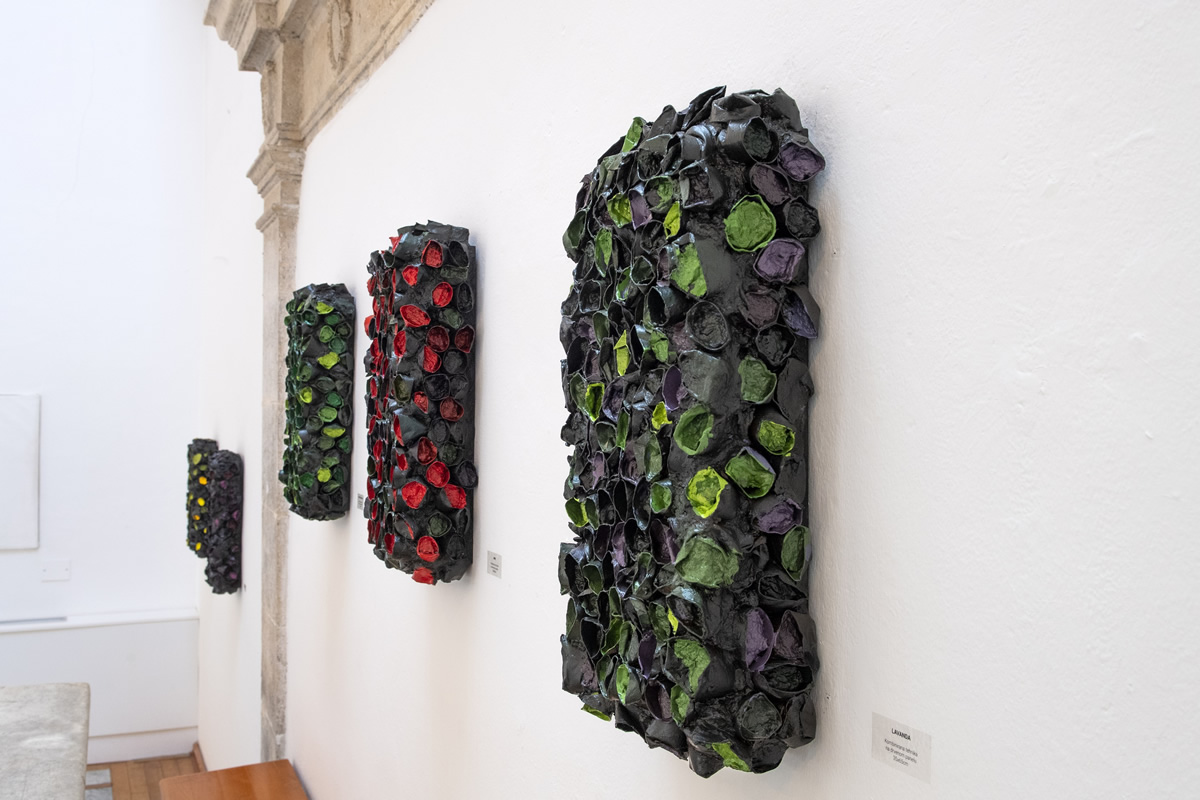
- Lavander, 35x65x13cm, recycled paper and acrylic on wood panel
-

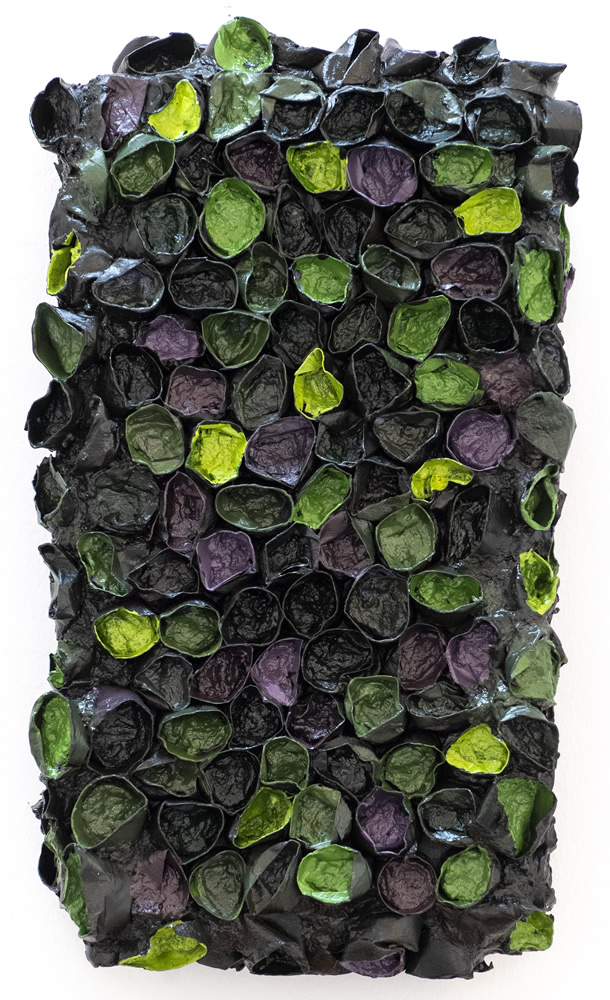
- Lemon tree, 35x65x13cm, recycled paper and acrylic on wood panel
-
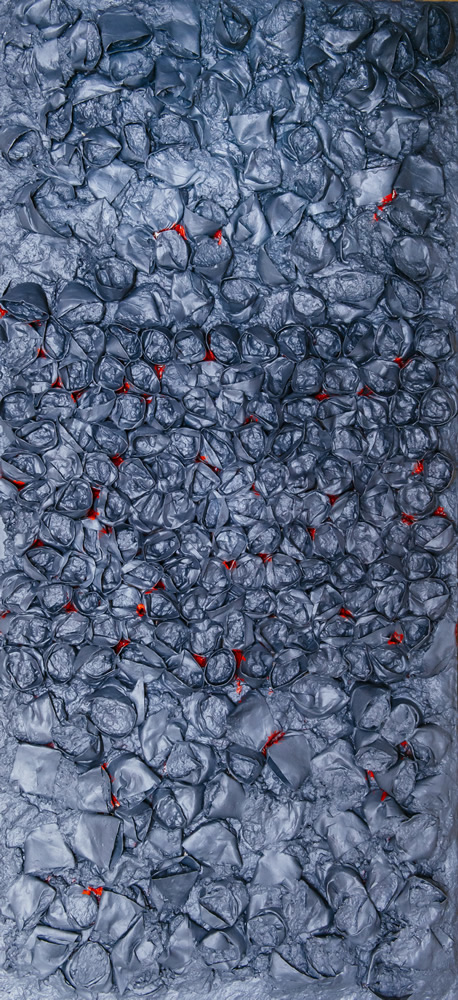
- Light in the space no.1, 60 x130cm, recycling paper and acrylic on wood panel
-
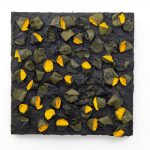
- Meadow, 60x60cm, recycling paper and acrylic on wood panel
-
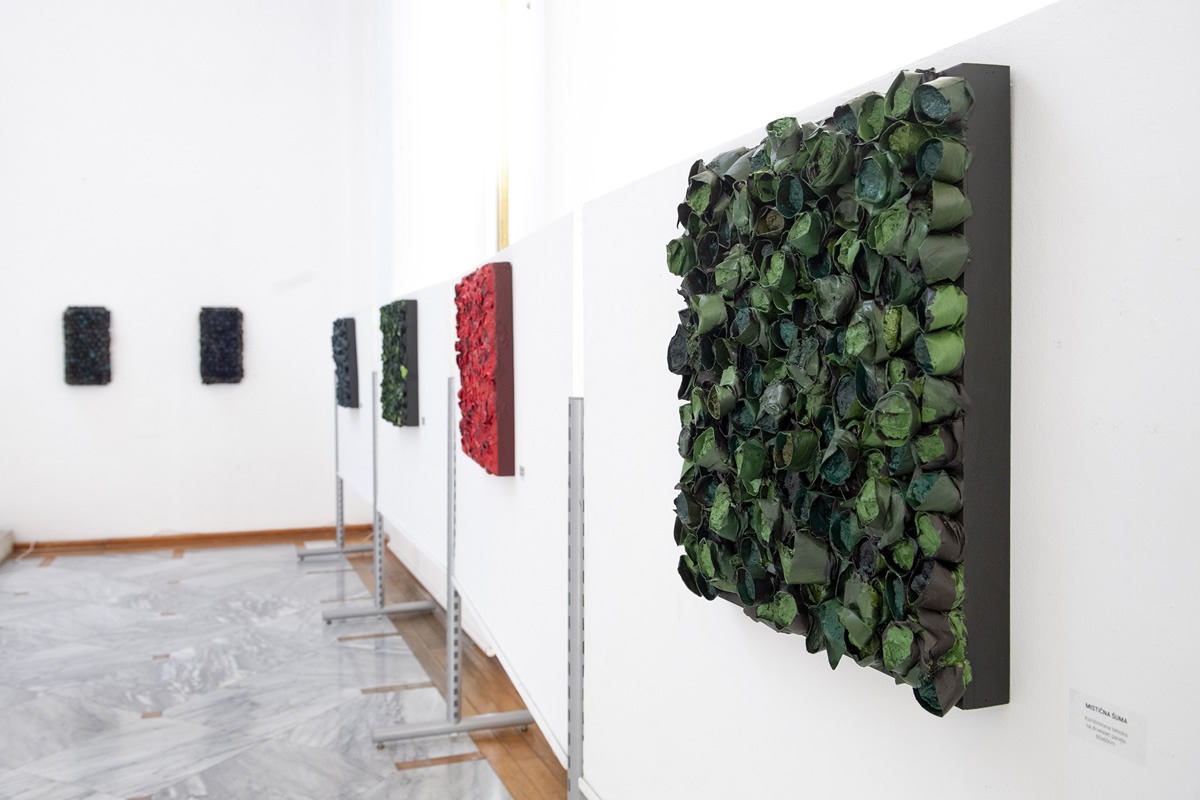
- Mistique forest, 60x60cm, recycling paper and acrylic on wood panel
-
- Mountain river, 35x65x13cm, recycled paper and acrylic on wood panel
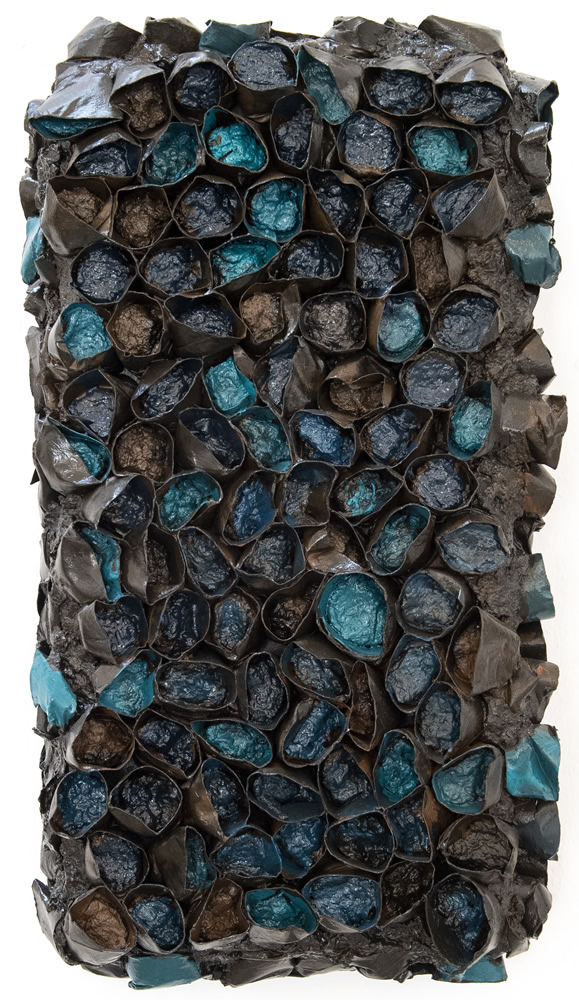
-
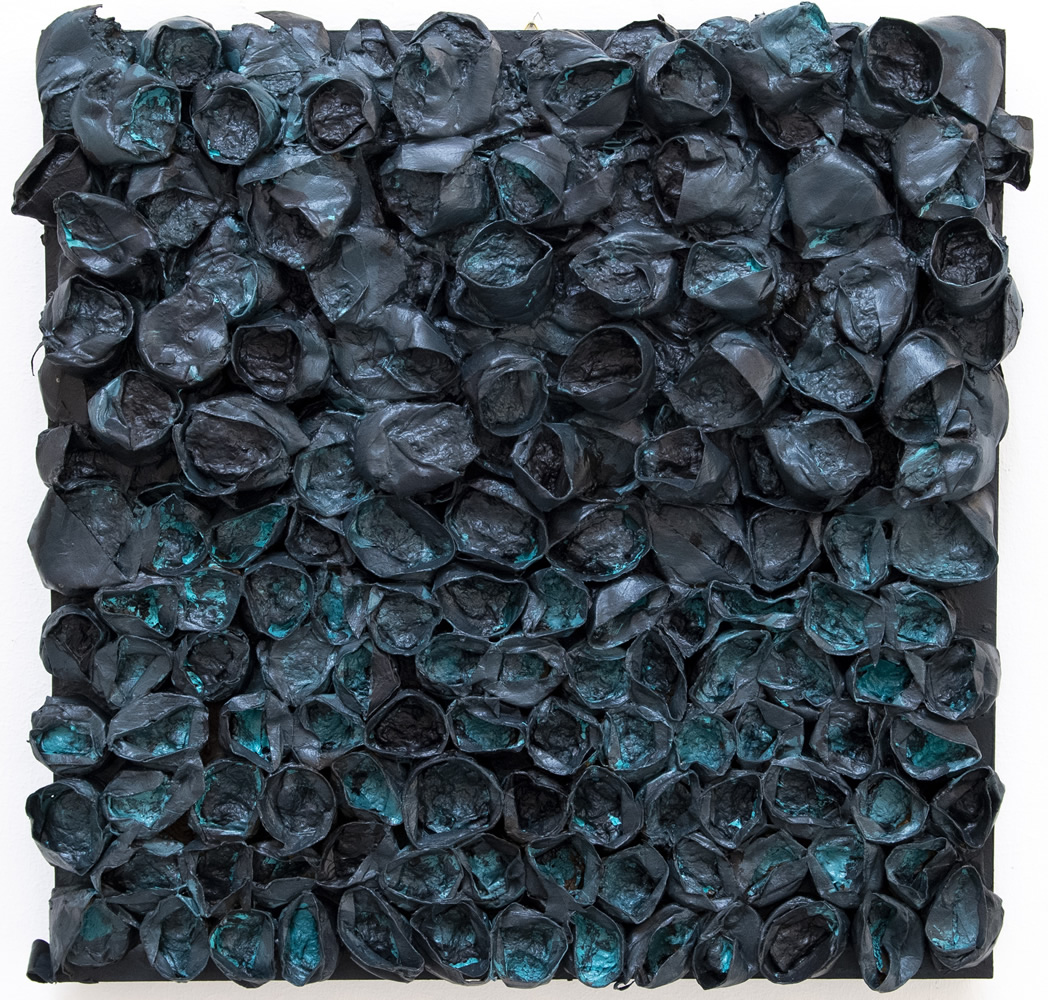
- Ocean, 60x60cm, recycling paper and acrylic on wood panel
-
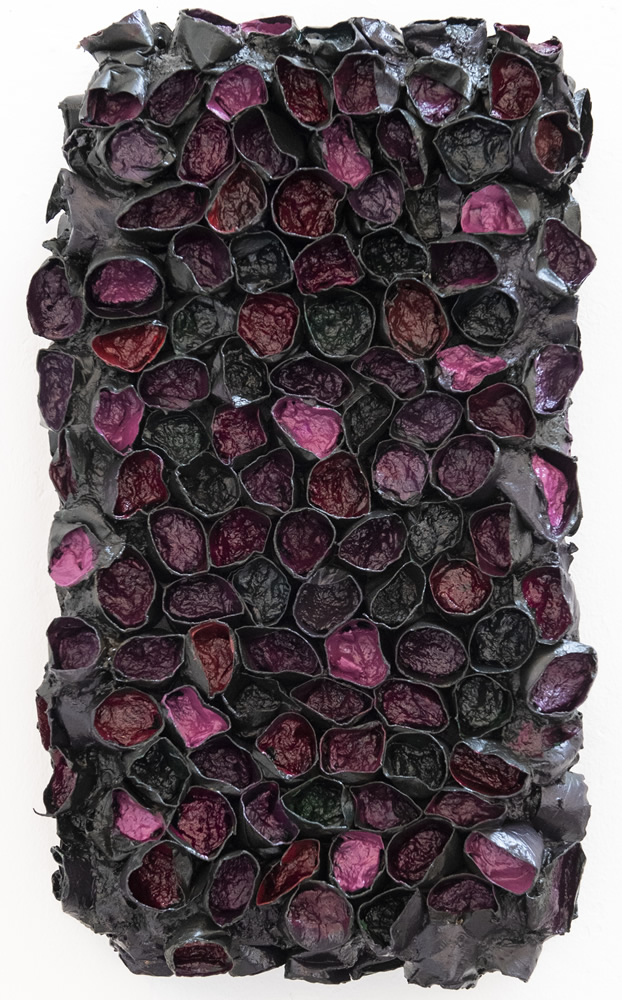
- Peonies, 35x65x13cm, recycled paper and acrylic on wood panel
-
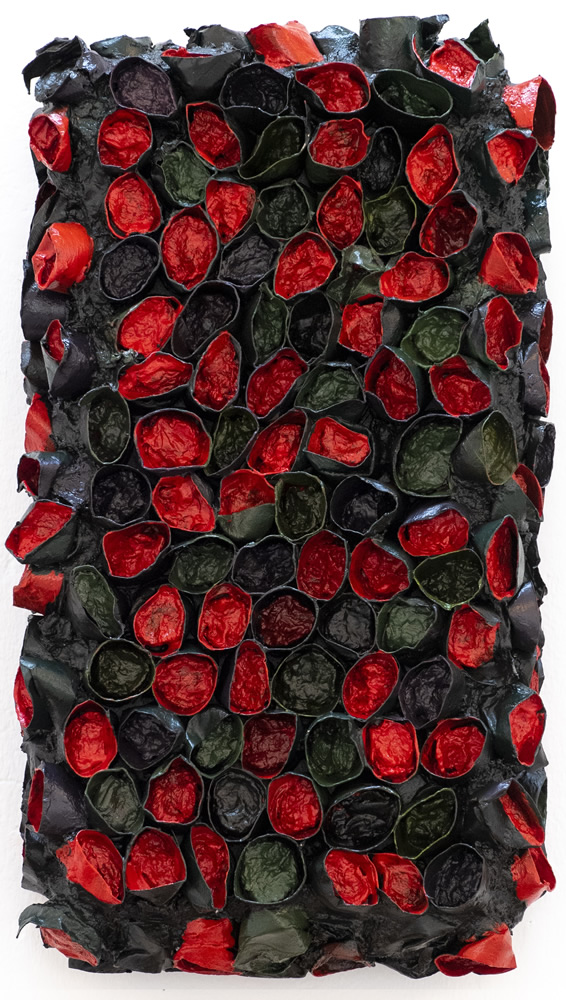
- Poppy, 35x65x13cm, recycled paper and acrylic on wood panel
-
- Spring forest, 60x60cm, recycling paper and acrylic on wood panel
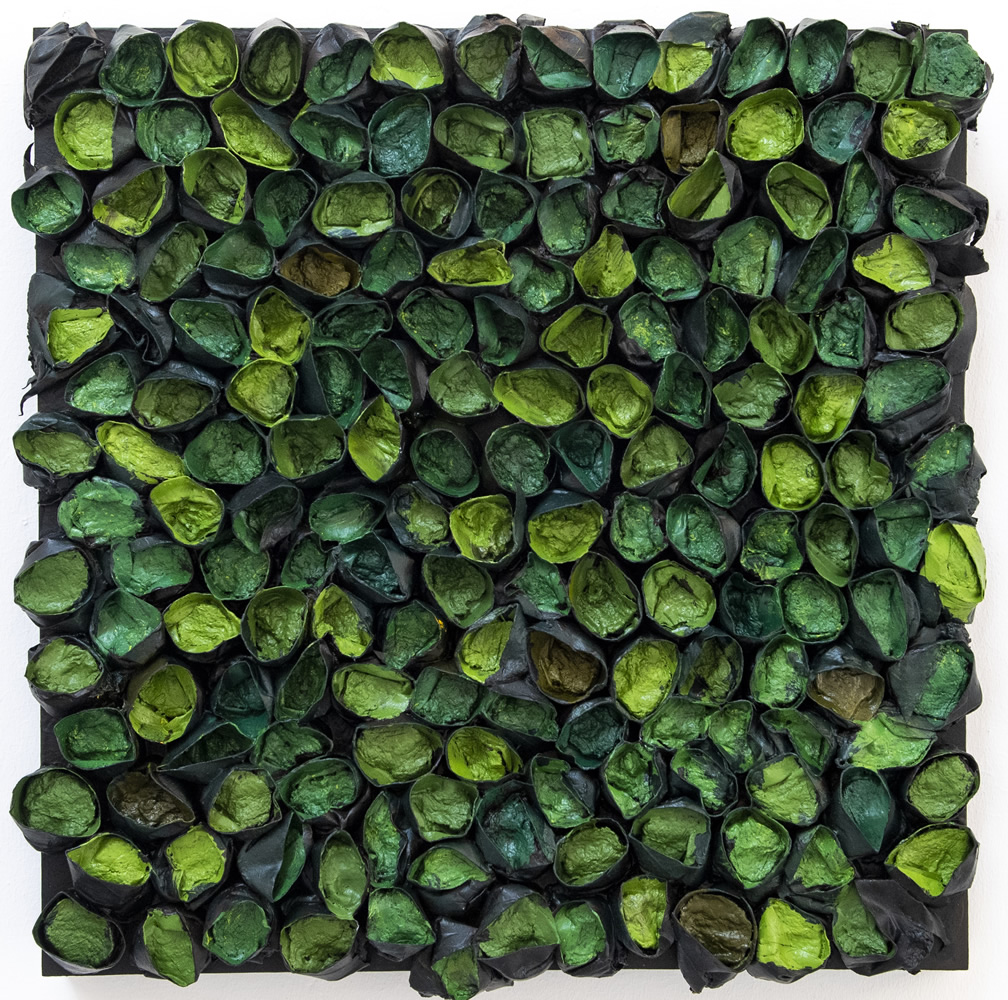
A man’s innate need to come into contact with the supernatural in nature has always been a driving force for exploring the world within and around him. Nature is the greatest source of ideas and eternal inspiration for Jasna Barišić – a painter who intuitively feels the wholeness, as well as the inextricable connection between a man and his environment, i.e. the nature that surrounds him. While talking to the author, she mentioned words appearance and disappearance. It is this antithetical pair of words, which differ morphologically and phonologically in just a few letters, now being used as Jasna’s leitmotif and interwoven into her works.
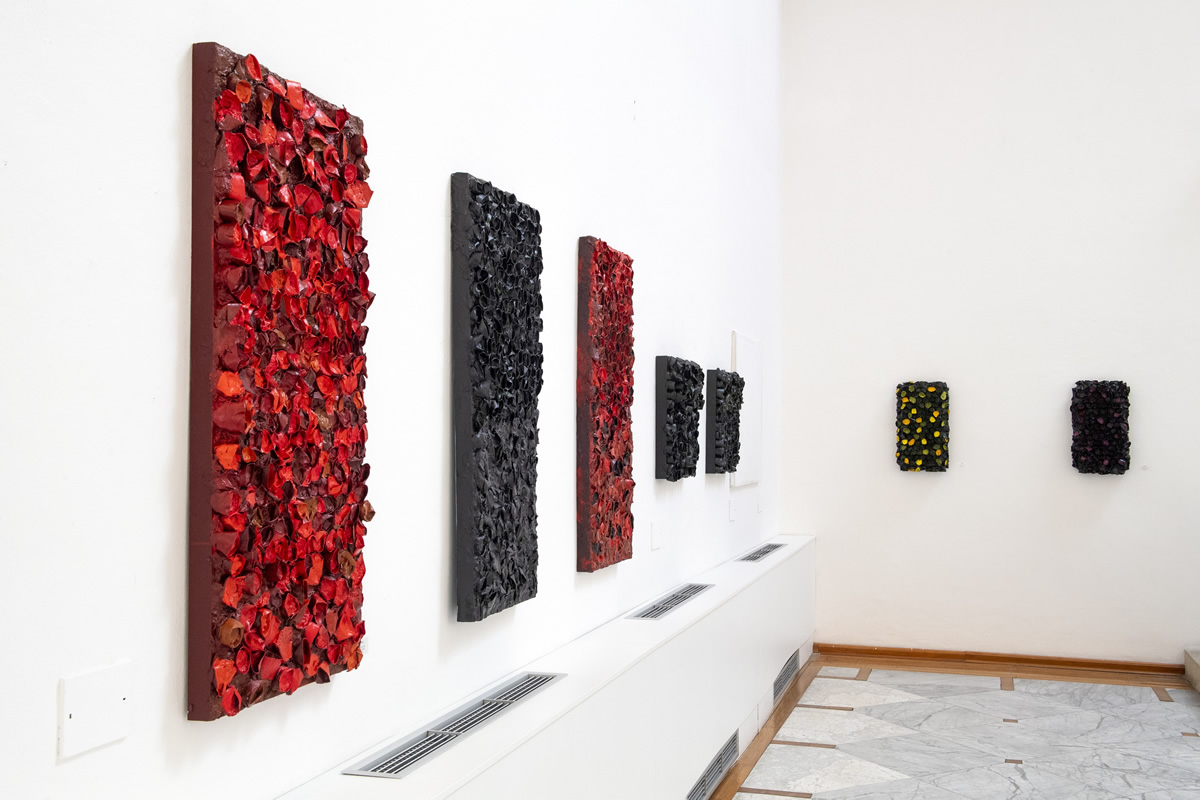
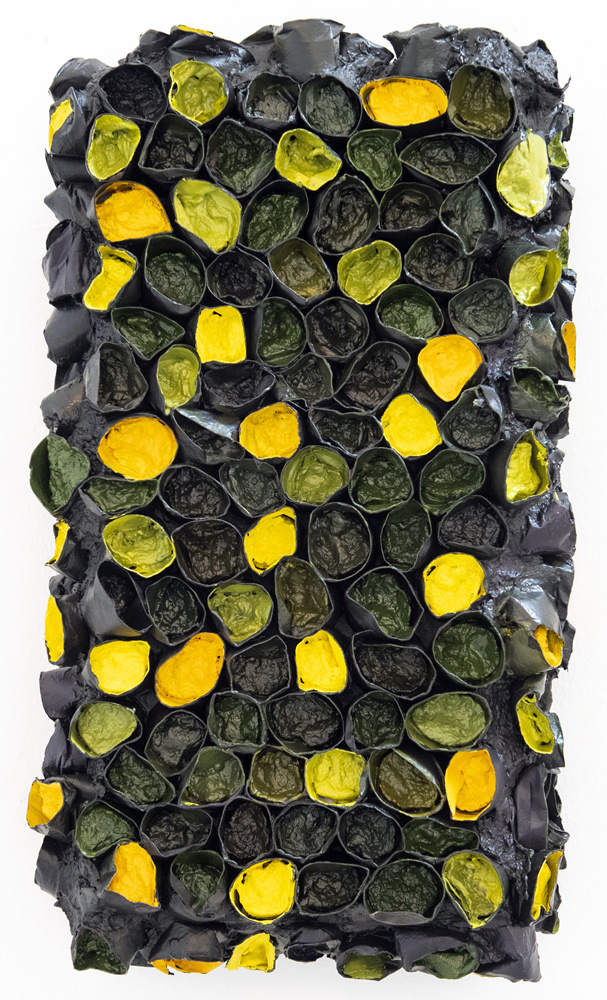
In her paintings, the author argues and explores the (co)existence between human beings and nature, as well as different aspects of the nature – its metamorphosis, regeneration and adaptability – in response to the constant exploitation and destruction of precious natural resources. By understanding nature as the inseparable part of a human life, Jasna Barišić develops a series of paintings that are quite different from her previous works. She creates the paintings by carefully modeling and constructing round-shaped structures from discarded material – paper. First she recycles it, then uses the papier mache technique and glues it to wooden panels. Instead of white as a predominately used colour in her previous works, the author covers her new paintings with charcoal black, green, red, yellow and blue, giving them a new character of consideration, reflection and analysis.
The main representative of the author’s visual expression is the arrangement of recycled materials in an indefinite order, which gives the impression of multidimensional space on the surface. Paintings seem to deliberately have no center; the author creates multiple focal points that generate a merging structure and thus forms a breathable living organic whole. The observer’s view does not jump from one point to another, but smoothly flows over the image, resulting in an inexplicable, alluring and hypnotic force. The edges of wooden panels are piled on with precisely arranged round elements, but there is not enough space for all of them. It seems they are budding and growing one on the top of the other, thus introducing the character of sculpturality into the paintings (Deep Sea, Mountain river, no. 2). The dynamics of the surface is emphasized through the interchangeable use of low and high rounded forms, thin and thick layers of paint, and finally, the use of lighting and shadows formed on the curved edges as well as in the depth of these round structures.
Jasna Barišić introduces symbolism into her works unobtrusively, either by choosing a natural material – paper from a tree trunk, which she reuses and recycles, or by using irregular round shapes described by the author as an allegory of Nature’s cyclical character – its constant formation, renewal and disappearance. In addition to these, symbolism is also visible in the cyclical nature of the colours she uses – the budding and eruption of nature in green and red (Spring forest, Red Earth) and the disappearance in the darkness of green (Burnt Earth no. 1, Burnt earth no. 2) and finally, the regeneration visible in the accents of yellow and orange among black (Meadow no. 1, Mistique garden no. 1, Mistique garden no. 2).
The author’s creation stems from the microcosm of her idea – by using materials from the nature, she translated and transformed nature into works of art confirming that a certain kind of the metamorphosis of nature has been achieved. The author’s driving energy of the actual metamorphosis of nature is felt through the series of paintings which convey some important ideas through their visual language. The paintings are here to encourage us to reconsider the importance of nature at the same time focusing on the impact of humans on nature.
The author’s vision in this series is to be truthful and aims to study the ideas of mysticism and (un)predictability of nature, and its basic necessity in our lives. To paraphrase Goethe – surrounded and embraced with nature, without power to separate from it and to slip through it – is it up to us to adapt to it, to enjoy its contemplative power and timeless beauty, or are we up to something else?
Curated by Marija Jurun, Art Historian